Hydrophilic Waterstop
Hydrophilic waterstop is a specialized sealing strip designed to control water penetration through concrete construction joints. Unlike conventional water barriers that rely only on their physical profile, hydrophilic waterstops respond to moisture by swelling and creating additional sealing pressure within the joint.
That makes them a practical solution for many concrete structures where preventing leakage through construction joints is an important part of the waterproofing system.
Hydrophilic waterstops are commonly used in basements, foundations, water tanks, swimming pools, tunnels, wastewater facilities, elevator pits, and underground concrete structures.
What Is a Hydrophilic Waterstop?
A hydrophilic waterstop is a flexible sealing strip manufactured from a water-reactive compound. When the material comes into contact with water, it absorbs moisture and increases in volume.
That expansion helps close small gaps and irregularities around a suitable concrete joint, reducing the potential path available for water to pass through.
Depending on the product formulation, hydrophilic waterstops may be made using different polymeric or bentonite-based compounds. Because expansion behavior varies between products, the manufacturer's technical data should always be checked before specifying a waterstop for a project.
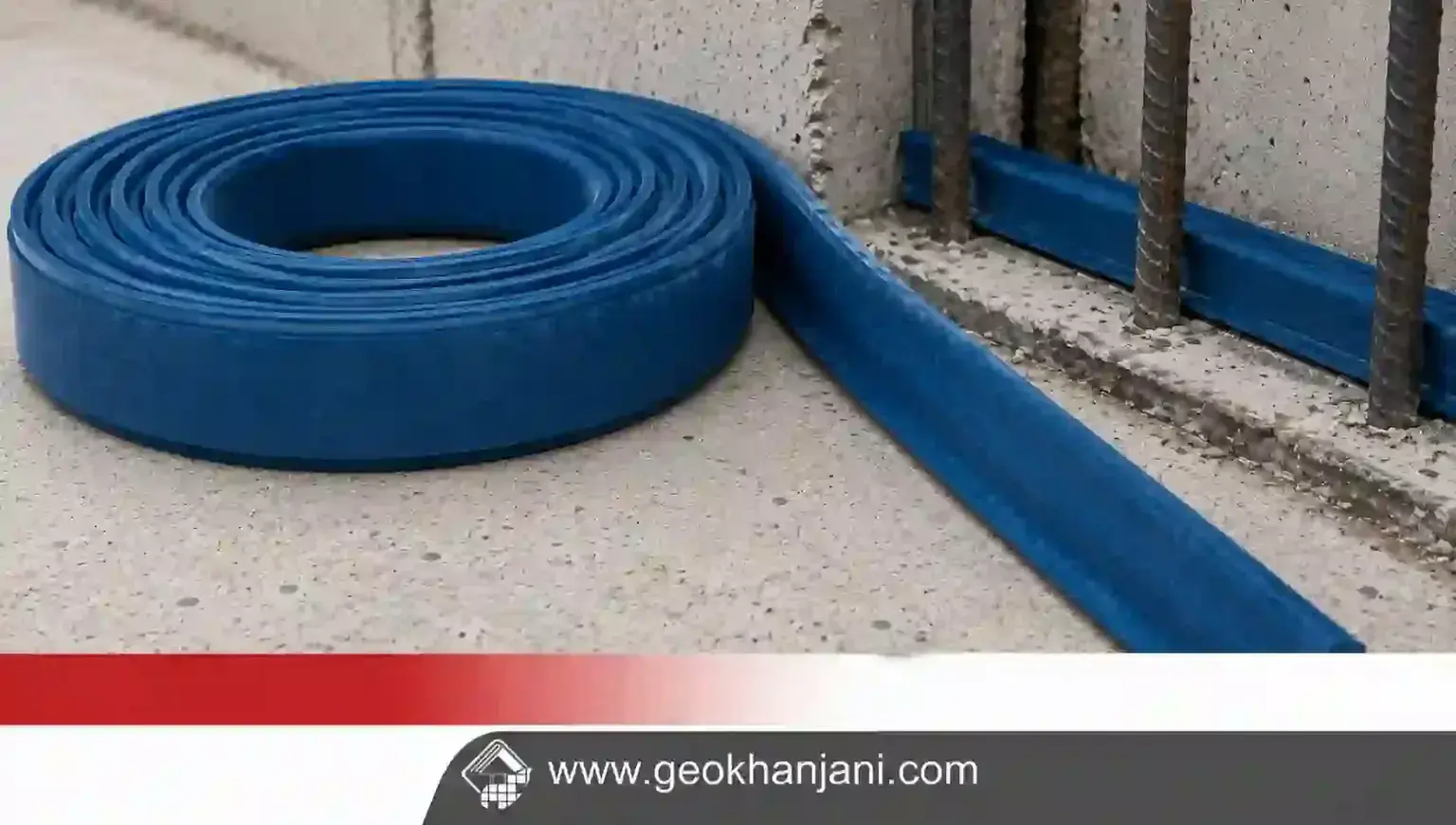 Hydrophilic waterstop
How Does Hydrophilic Waterstop Work?
The sealing mechanism is based on controlled expansion.
When the surrounding concrete stays dry, the waterstop maintains its original dimensions. Once water reaches the hydrophilic material, it absorbs moisture and begins to expand.
That increased volume creates pressure against the surrounding concrete surfaces, which helps close small imperfections and restricts water movement through the construction joint.
In short: water exposure leads to moisture absorption, which triggers controlled expansion, which increases contact pressure, which in turn reduces water penetration.
The exact expansion rate and performance depend on the formulation and design of the specific product.
Where Is Hydrophilic Waterstop Used?
Hydrophilic waterstops suit many concrete waterproofing applications, particularly where the joint has limited movement.
Common applications include concrete construction joints, building foundations, basement walls, underground structures, swimming pools, water storage tanks, concrete reservoirs, elevator pits, tunnels, wastewater treatment facilities, pipe penetrations, concrete-to-concrete connections, and hydraulic and civil engineering structures.
Before installation, the joint design should be reviewed to confirm whether a hydrophilic waterstop is suitable for the expected movement.
Key Features of Hydrophilic Waterstop
The main feature of a hydrophilic waterstop is its ability to react to moisture — once exposed to water, the material expands and helps seal the joint.
Hydrophilic waterstops are usually supplied as narrow strips, which makes them convenient where space inside the concrete joint is limited. Many systems can be installed using adhesive or mechanical fixing methods, without the specialized heat welding required for some PVC waterstop systems.
The strip can be installed along straight joint lines and, depending on the product, around selected construction details. It's particularly useful for concrete-to-concrete construction joints where preventing water migration matters, and because the product expands after water exposure, it provides an active sealing mechanism rather than relying only on its initial physical dimensions.
Hydrophilic Waterstop Installation
Correct installation is essential for reliable waterproofing performance.
The process starts with preparing the concrete surface — the installation area should be clean and free from loose concrete particles, dust, oil, mud, and other contaminants. A sound surface helps the waterstop stay securely positioned during the subsequent concrete placement.
Next, the strip is positioned continuously along the designated construction joint according to the project drawings and manufacturer's recommendations, with enough concrete cover left around it after the second pour.
The waterstop is then secured, using a compatible adhesive, sealant, or mechanical fasteners depending on the product. Mechanical fixing can be especially useful on vertical surfaces, where movement during concrete placement needs to be minimized.
Connections between individual waterstop sections should follow the manufacturer's recommended method, keeping the waterproofing line continuous rather than creating a weak point.
Finally, concrete is placed carefully around the waterstop, with proper vibration and compaction — voids or honeycombing around the strip can create leakage paths.
Important Installation Considerations
A hydrophilic waterstop shouldn't be left unnecessarily exposed to rain, standing water, or high humidity before it becomes embedded in concrete. Premature swelling can make installation harder and may shift the final position of the strip.
The product should also be protected against mechanical damage during reinforcement installation and concrete placement.
Most importantly, the installation procedure supplied by the manufacturer should take priority, since different hydrophilic formulations can have different installation requirements.
Hydrophilic Waterstop for Construction Joints
Construction joints are one of the most common applications for hydrophilic waterstops.
When concrete placement is interrupted, the interface between the two concrete sections can become a potential route for water. Installing a hydrophilic waterstop along this interface adds an extra sealing layer.
After the subsequent concrete pour, the strip becomes embedded in the joint. If water reaches the material, its expansion helps reduce the available leakage path — which makes hydrophilic waterstop a useful component in concrete joint waterproofing systems.
Hydrophilic Waterstop vs. PVC Waterstop
Hydrophilic and PVC waterstops rely on different sealing principles.
Hydrophilic waterstop depends on water-triggered expansion. It's generally compact and commonly chosen for construction joints where movement is limited.
PVC waterstop acts primarily as a physical barrier embedded in the concrete, and is available in various profiles designed for construction joints and, depending on the profile, movement joints too.
The right choice depends on joint type, expected movement, water pressure, concrete geometry, installation conditions, and environmental exposure. A hydrophilic waterstop shouldn't automatically be treated as a substitute for a movement-rated PVC waterstop.
Hydrophilic Waterstop vs. Bentonite Waterstop
Bentonite waterstop is a type of hydrophilic sealing system in which sodium bentonite provides the swelling mechanism. When exposed to water, bentonite absorbs moisture and expands.
Some hydrophilic waterstops, though, use polymer-based formulations or polymer-bentonite combinations instead. For this reason, products should be compared based on their actual technical specifications rather than simply their product name.
Factors Affecting Hydrophilic Waterstop Price
The price of a hydrophilic waterstop can vary considerably between products.
Important pricing factors include strip dimensions, material formulation, expansion characteristics, manufacturer, product quality, packaging, order quantity, required accessories, and project requirements.
A lower price per meter doesn't necessarily mean a lower overall project cost — product performance, installation requirements, durability, and suitability for the joint all deserve consideration too.
Buying Hydrophilic Waterstop
When buying hydrophilic waterstop, review the technical characteristics of the product before comparing prices.
Worth checking: product dimensions, material type, expansion performance, expansion pressure, water resistance, chemical resistance, temperature range, installation method, recommended joint type, and storage requirements.
For demanding projects, requesting the manufacturer's technical datasheet and test results can help confirm whether the product actually fits the intended application.
Advantages of Hydrophilic Waterstop
When correctly selected and installed, hydrophilic waterstop offers several practical advantages: active sealing through water-triggered expansion, a compact construction, suitability for many construction joints, relatively simple installation, no welding equipment required for many products, the ability to help seal minor irregularities around suitable joints, availability in different dimensions and formulations, and usefulness in underground and water-retaining structures.
Its effectiveness, though, depends heavily on correct product selection and installation.
Limitations of Hydrophilic Waterstop
Hydrophilic waterstop isn't designed for every type of concrete joint.
Some products aren't suitable for joints with significant movement. Premature exposure to water can activate the material before concrete placement. Incorrect positioning can reduce the effective sealing area, and poor concrete compaction can create leakage paths around the strip. Product performance also varies according to formulation.
So the waterstop should always be selected based on the actual joint design, not assumptions about the category as a whole.
Storage and Handling
Hydrophilic waterstop should be stored according to the manufacturer's recommendations.
In general, the product should be kept protected from rain, standing water, excessive humidity, direct environmental exposure, mechanical damage, and contamination.
Proper storage helps prevent premature activation and keeps the product in good condition before installation.