Introduction
Geogrid is one of the most important geosynthetic reinforcement materials used in civil engineering, road construction, railways, retaining walls, and soil stabilization projects. Designed to improve soil strength and stability, geogrids help reduce settlement, extend the service life of structures, and lower construction costs.
Manufactured from high-performance polymers such as HDPE, PET, PP, and Fiberglass, geogrids create a mechanical interlock with surrounding soil, distributing loads more efficiently and preventing soil movement.
What Is a Geogrid?
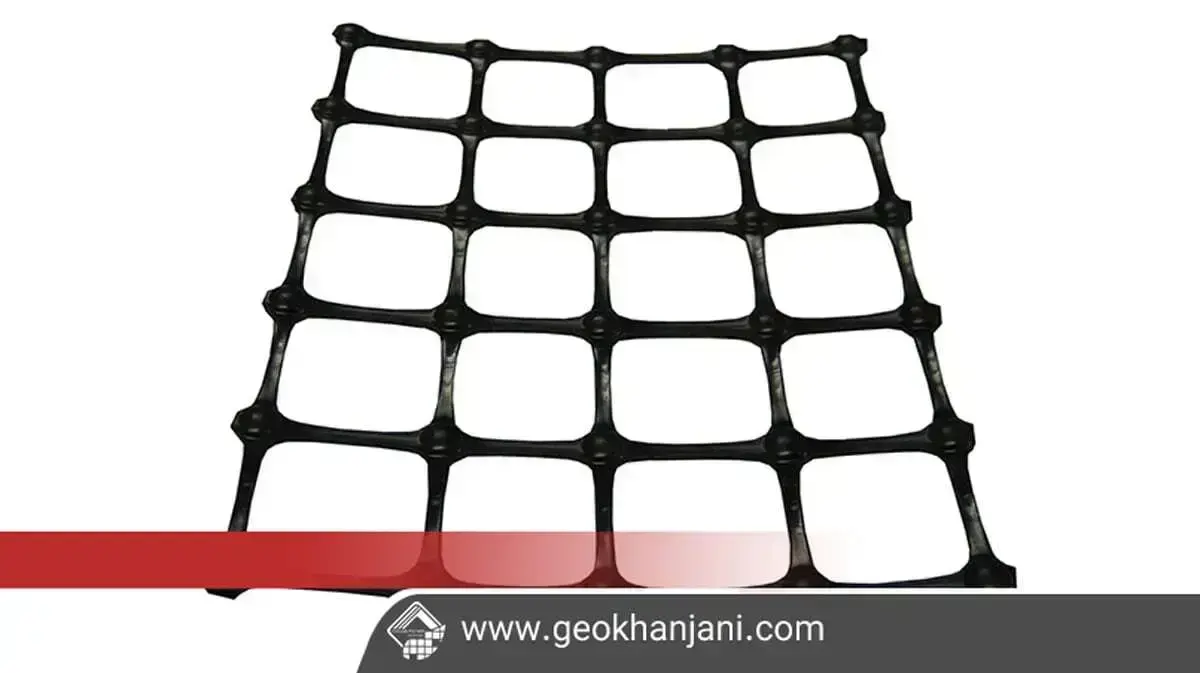
A geogrid is a polymeric grid structure used to reinforce soil and aggregate. Its open apertures allow soil particles to interlock with the grid, significantly increasing load-bearing capacity while reducing deformation and erosion.
Because of their high tensile strength and durability, geogrids have become an essential solution for modern geotechnical and infrastructure projects.
Key Features Geogrid
- High tensile strength
- Excellent soil reinforcement
- Reduces settlement
- Improves load distribution
- Chemical and biological resistance
- UV-resistant materials available
- Long service life
- Lightweight and easy installation
- Cost-effective engineering solution
- Suitable for harsh environmental conditions
Manufacturing Methods
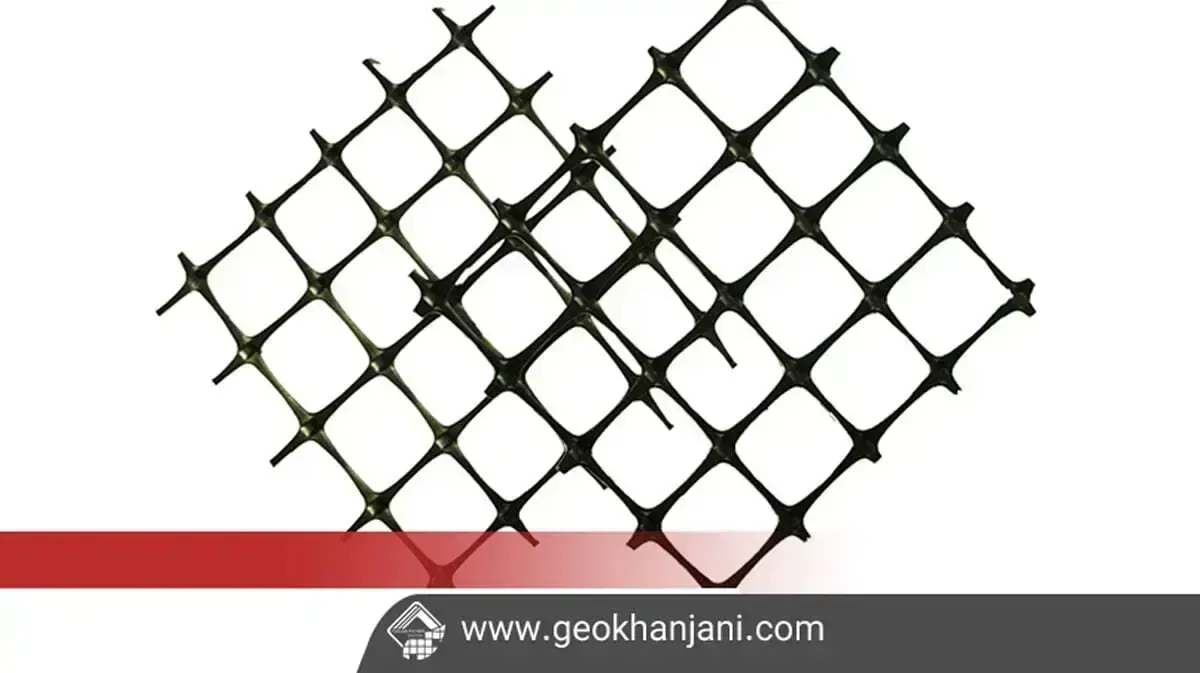
Geogrids are commonly manufactured using two methods:
Extruded Geogrids
Produced from polymer sheets that are punched and stretched to create a strong grid structure. These geogrids offer excellent dimensional stability and durability.
Woven Geogrids
Manufactured by weaving high-strength polyester or polypropylene yarns into a stable reinforcement grid, providing exceptional tensile performance.
Types of Geogrids
- Uniaxial Geogrid
- Biaxial Geogrid
- Polyester (PET) Geogrid
- Polyethylene (HDPE) Geogrid
- Fiberglass Geogrid
- Woven Geogrid
Each type is designed for specific engineering applications depending on load direction, soil conditions, and project requirements.
Applications Geogrid
Geogrids are widely used in:
- Road and highway construction
- Railway foundations
- Retaining walls
- Embankments
- Slope stabilization
- Soft soil reinforcement
- Airport pavements
- Landfills
- Bridge approaches
- Mining and infrastructure projects
Advantages Geogrid
- Increases soil bearing capacity
- Reduces construction costs
- Minimizes differential settlement
- Improves structural stability
- Extends project lifespan
- Accelerates installation
- Reduces maintenance requirements
- Environmentally friendly solution
Installation Geogrid
Proper installation includes:
- Surface preparation
- Geogrid placement and alignment
- Secure overlapping where required
- Backfilling with suitable aggregate
- Proper compaction
- Final inspection according to project specifications
Technical Properties Geogrid
Typical properties include:
- Tensile Strength
- Elongation
- Aperture Size
- Roll Dimensions
- Polymer Type
- UV Resistance
- Chemical Resistance
- Durability
Why Choose Our Geogrids?
Our geogrids are manufactured using premium raw materials and advanced production technology to meet international quality standards. They provide reliable reinforcement solutions for infrastructure, transportation, environmental, and geotechnical engineering projects worldwide.