Why Construction Excavations Need Waterproofing and Drainage Systems: The Complete Guide to Preventing Water Infiltration and Improving Site Safety
100
0
Learn why waterproofing and drainage systems are essential for construction excavations. Discover how geomembranes, geodrains, and proper groundwater management prevent water infiltration, increase excavation safety, reduce project delays, and protect foundations.
- • Why Water Is a Major Challenge in Construction Excavations
- • Problems Caused by Water Infiltration
- • Why Pumping Water Alone Is Not
- • The Role of Waterproofing Systems
- • How Geomembranes Protect Excavations
- • Why Drainage Is Equally Important
- • How Geodrain Systems Work
- • Waterproofing and Drainage Work Best Together
- • Benefits of Integrated Waterproofing and Drainage Systems
- • Typical Applications
- • Choosing the Right Waterproofing Solution
- • Best Practices, for Successful Installation
- • Common Mistakes to Avoid
Construction excavations are a part of any building project. This is because the stability and safety of the excavation directly influence the success of the development. Whether you are building towers or commercial complexes the excavation stage is very important.
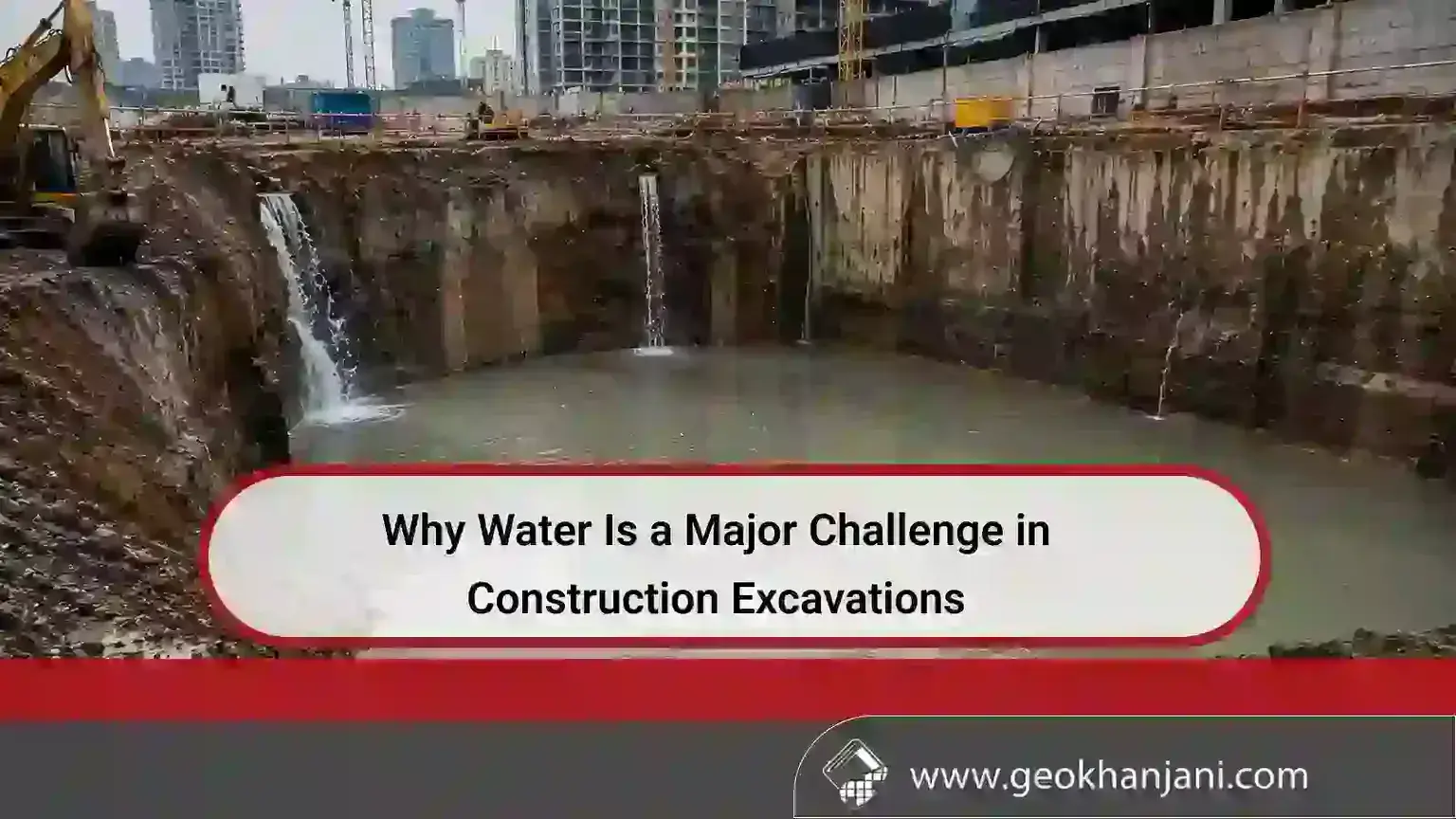
One of the threats to excavation stability is water. Water can come from sources, including groundwater, seasonal rainfall and leaking utility lines. When water enters the excavation it can quickly transform an environment into a hazardous one. Water weakens the soil. Increases the likelihood of wall failures and foundation damage. This can lead to project delays and significant financial losses.
Many contractors rely on pumping systems to remove water from the excavation. However pumping alone is not enough to prevent water from entering the excavation. It is like trying to empty a bathtub while the faucet is still running. You need to stop the water from coming not just remove it after it has entered.
Modern construction projects use waterproofing and drainage systems to prevent water infiltration. These systems combine high-quality geomembranes with geodrain composites to stop water before it becomes a problem. This comprehensive guide explains why construction excavations require waterproofing and drainage systems, how these systems work and how they improve safety, durability and project efficiency.
Why Water Is a Major Challenge in Construction Excavations
 Why Water Is a Major Challenge in Construction Excavations
Excavations are naturally vulnerable to water intrusion because they extend below the ground surface where moisture and groundwater're often present. Common sources of water include groundwater tables, rainfall, surface runoff and broken underground pipes. Even small amounts of water infiltration can become serious over time.
Problems Caused by Water Infiltration
Ignoring groundwater management can create engineering and construction problems. Water fills soil pores. Reduces the soils bearing capacity making it weaker and less capable of supporting excavation walls and foundations. This significantly increases the risk of wall movement, soil collapse and foundation instability.
Hydrostatic pressure builds when groundwater accumulates behind retaining walls or foundation structures. Without drainage this pressure continuously pushes against structural elements potentially causing cracks, wall deformation and structural damage
One of the dangerous consequences of uncontrolled water infiltration is excavation wall collapse. Water softens surrounding soil. Reduces friction between soil particles creating unsafe working conditions. Wall failures may lead to equipment damage, worker injuries, project shutdowns and costly emergency stabilization.
Water-filled excavations slow every construction activity. Contractors often face delays because heavy equipment cannot operate efficiently concrete placement must be. Foundation work becomes impossible. A few days of delay can dramatically increase project costs.
Water infiltration does not only affect construction. If moisture reaches completed foundations it may eventually cause deterioration, steel reinforcement corrosion, mold growth and interior water leakage. Preventing water during construction protects the structure for decades.
Why Pumping Water Alone Is Not
Many projects initially install pumps to remove water from the excavation. Although pumps are essential during construction they solve one part of the problem. Pumping removes water after it enters. It does not stop water from continuously entering the excavation. Without waterproofing pumps operate continuously energy costs increase and maintenance requirements grow.
An effective excavation system focuses on preventing infiltration than constantly removing water. This is why integrated waterproofing and drainage systems are so important. They stop water before it reaches the structure reducing the need for pumping and minimizing the risk of water-related problems.
The Role of Waterproofing Systems
 The Role of Waterproofing Systems
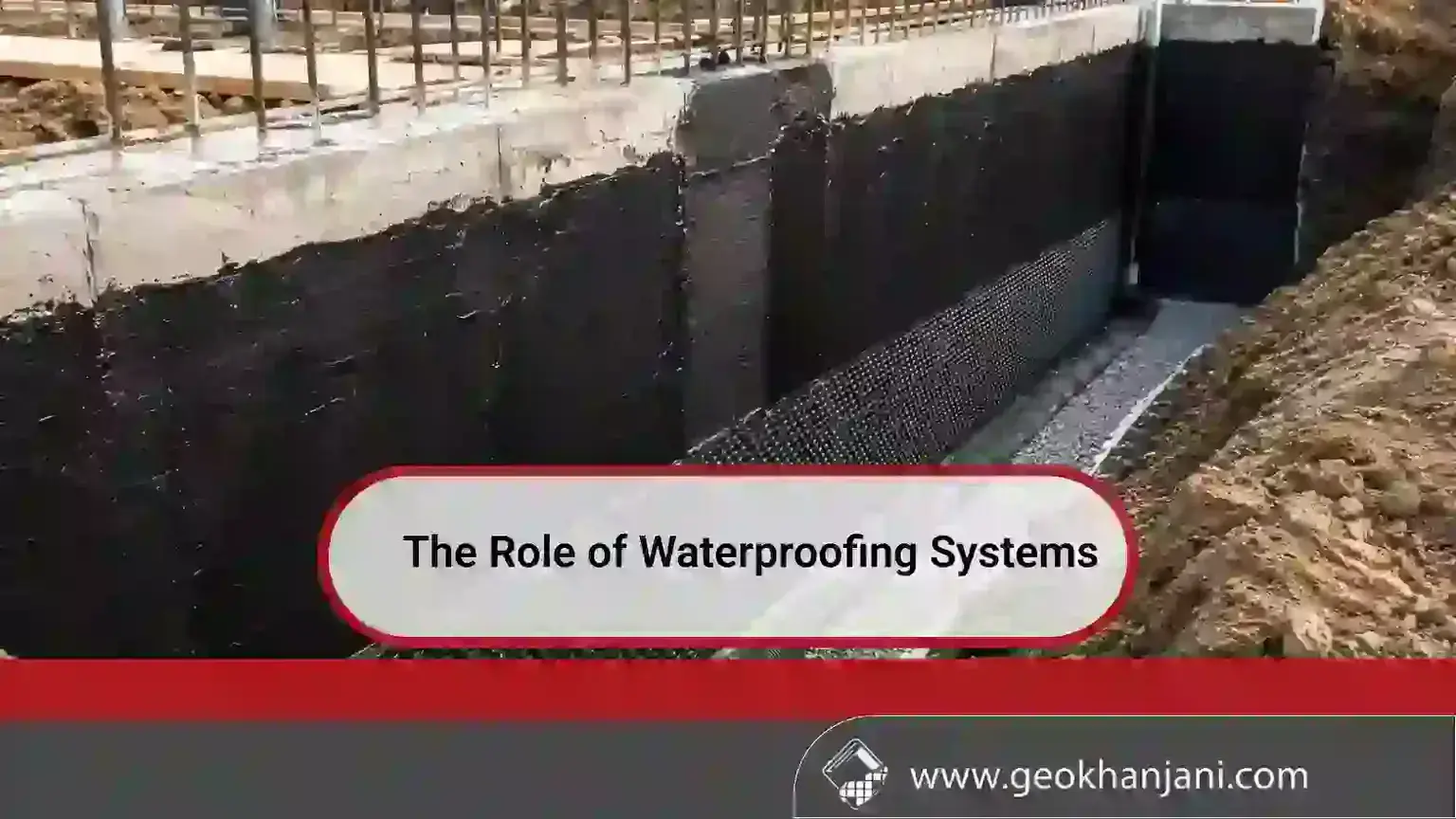
Waterproofing creates a barrier between groundwater and the excavation. Its primary purpose is to stop water before it reaches the structure. Modern waterproofing systems commonly use HDPE geomembranes, PVC geomembranes, waterproofing membranes and geosynthetic barriers. Among these HDPE geomembranes are widely recognized for their chemical resistance, durability and long service life.
How Geomembranes Protect Excavations
Geomembranes are polymer liners specifically engineered to block water migration. When professionally installed they prevent groundwater penetration resist punctures and withstand exposure. Proper welding and quality control ensure that the membrane functions as a waterproof barrier.
Why Drainage Is Equally Important
Stopping water completely is not always possible. Some groundwater will still move around structures. This is where drainage systems become essential. Drainage systems safely. Redirect water away from the excavation before pressure builds. Than allowing water to accumulate drainage creates controlled flow paths.
How Geodrain Systems Work
Geodrain composites combine drainage cores, geotextile filters and high-flow channels. These systems collect infiltrated water relieve pressure prevent clogging and protect waterproof membranes. Water is directed toward collection pipes. Discharged safely from the site.
Waterproofing and Drainage Work Best Together
The performing excavation protection systems combine waterproofing and drainage into one integrated solution. The process typically follows these steps: install the geomembrane protect the membrane with geotextile if required, install geodrain panels connect drainage pipes, direct water toward a collection sump and remove collected water using controlled pumping. This layered approach significantly improves reliability.
Benefits of Integrated Waterproofing and Drainage Systems
Projects using systems enjoy numerous advantages. Stable excavation walls reduce accident risks. Provide safer working conditions. Although installation requires an investment, reduced maintenance and fewer delays lower total project costs. Dry excavations allow construction crews to work efficiently with fewer interruptions. Keeping foundations dry protects concrete and reinforcement from deterioration. Proper waterproofing decreases groundwater infiltration, allowing pumps to operate frequently. Controlled drainage minimizes erosion and reduces sediment transport into waterways.
Typical Applications
Waterproofing and drainage systems are commonly used in deep building excavations, underground parking structures, high-rise foundations, metro stations, tunnels, retaining walls, elevator pits, water treatment plants, industrial facilities, basements, reservoirs and landfills.
Choosing the Right Waterproofing Solution
Selecting the proper system depends on engineering factors. Key considerations include groundwater level, soil conditions, excavation depth, project duration, chemical exposure and installation quality. Professional design and installation are therefore just as important as material selection.
Best Practices, for Successful Installation
For performance conduct a detailed geotechnical investigation analyze groundwater conditions before excavation, select certified waterproofing materials perform non-destructive weld testing protect membranes from puncture install drainage systems before backfilling inspect all components during construction and develop a long-term maintenance strategy.
Common Mistakes to Avoid
Many excavation failures result from mistakes, including depending solely on dewatering pumps ignoring hydrostatic pressure using low-quality waterproofing materials, improper seam welding installing insufficient drainage, damaging membranes during backfilling and neglecting quality control inspections. Avoiding these errors significantly increases project reliability.
Water is one of the destructive forces affecting construction excavations. Simply removing accumulated water with pumps cannot eliminate the problem of continuous groundwater infiltration. An integrated waterproofing and drainage system offers a more reliable solution. By combining geomembranes with efficient geodrain composites construction teams can prevent water ingress relieve hydrostatic pressure improve excavation stability and create safer working environments. Beyond protecting workers during construction these systems extend the lifespan of foundations reduce maintenance costs minimize project delays and improve the durability of the completed structure. For construction projects investing in a professionally designed waterproofing and drainage system is not merely an added feature—it is an essential component of long-term project success.