Choosing the right geocell requires more than comparing prices. Engineers and project managers should carefully evaluate the material type, sheet thickness, cell height, cell dimensions, seam strength, tensile strength, UV resistance, chemical resistance, and compliance with international standards..
How to Choose the Right Geocell for Your Project? A Complete Guide to Technical Specifications and Standards
Selecting the right geocell is one of the most important decisions in ground stabilization and soil reinforcement projects. Whether you are constructing roads, railways, retaining walls, slopes, parking lots, or mining facilities, choosing a geocell with the appropriate technical specifications can significantly improve performance, reduce maintenance costs, and extend the service life of the structure.
This guide explains the key technical specifications, international standards, and practical considerations you should evaluate before purchasing a geocell system.
see Geocell Products
What Is a Geocell?
 What Is a Geocell?
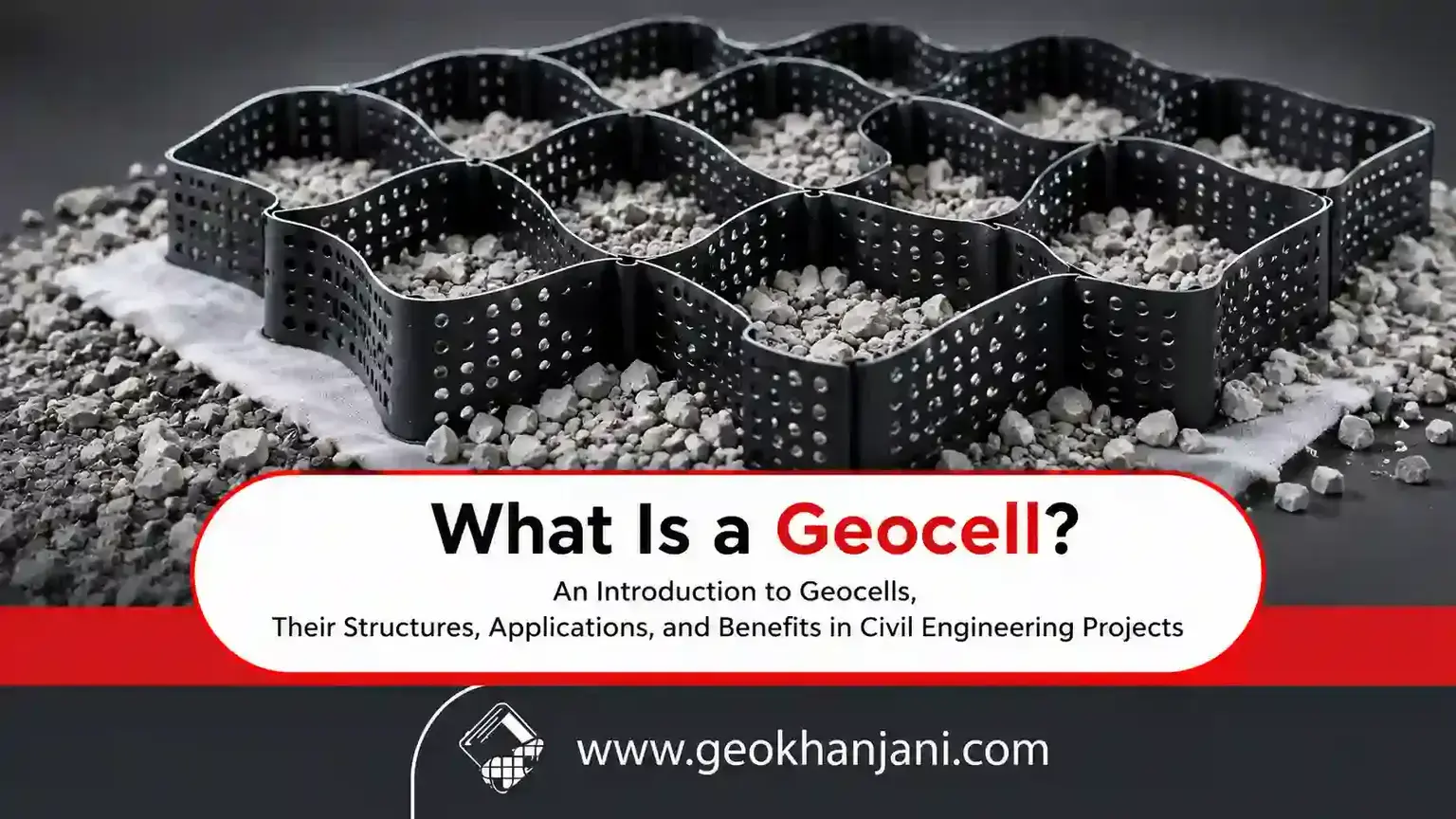
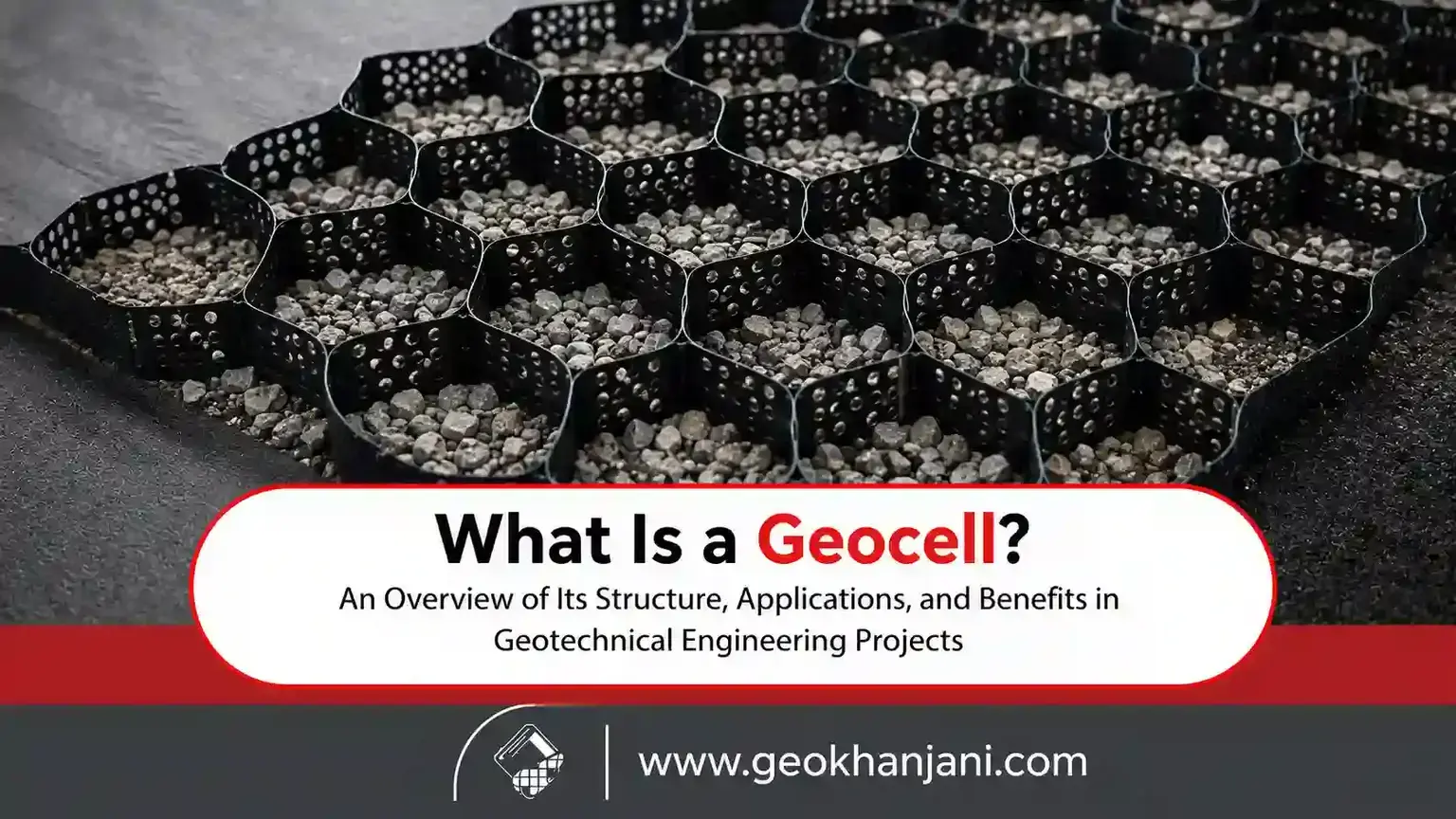
A geocell is a three-dimensional honeycomb-shaped geosynthetic structure manufactured from polymeric strips that are ultrasonically welded together. Once expanded and filled with soil, gravel, sand, or concrete, the cellular confinement system distributes loads more efficiently and prevents lateral movement of infill materials.
 What Is a Geocell?
Because of these advantages, geocells are widely used in civil engineering, transportation infrastructure, mining, environmental protection, and erosion control projects.
Why Is Choosing the Right Geocell Important?
Using an unsuitable geocell can lead to:
- Reduced load-bearing capacity
- Excessive settlement
- Premature structural failure
- Increased maintenance costs
- Shorter project lifespan
- Poor performance under heavy traffic loads
Selecting the correct product ensures long-term stability and maximizes the return on investment.
Key Technical Specifications to Consider
1. Material Type
The material used to manufacture the geocell directly affects its durability and performance.
Common materials include:
- High-Density Polyethylene (HDPE)
- Novel Polymeric Alloy (NPA)
- Modified polymer compounds
HDPE geocells are the most widely used due to their excellent chemical resistance, flexibility, durability, and long service life.
2. Sheet Thickness
The thickness of the polymer sheet determines the structural strength of the geocell.
Typical thicknesses include:
- 1.0 mm
- 1.2 mm
- 1.5 mm
- 1.7 mm
Heavy-duty applications such as highways, airports, and mining operations generally require thicker sheets.
3. Cell Height
Cell height influences confinement efficiency and load distribution.
Common heights are:
- 50 mm
- 75 mm
- 100 mm
- 150 mm
- 200 mm
Higher cells generally provide better confinement and increased load-bearing capacity.
4. Cell Size
Cell dimensions should be selected according to project requirements.
Smaller cells provide:
- Better load distribution
- Improved erosion control
- Higher confinement
Larger cells offer:
- Faster installation
- Lower material consumption
- Cost-effective solutions for large-scale projects
5. Seam Strength
The weld strength between adjacent cells is one of the most critical quality indicators.
Poor seam strength can cause the geocell to separate under load, resulting in structural failure.
Always request certified seam strength test results from the manufacturer.
6. Tensile Strength
High tensile strength enables the geocell to withstand heavy loads while maintaining its structural integrity.
A stronger material offers:
- Reduced deformation
- Higher durability
- Longer service life
7. UV Resistance
Projects exposed to sunlight require geocells with excellent ultraviolet resistance.
UV stabilizers and appropriate carbon black content help prevent material degradation and significantly increase product lifespan.
8. Chemical Resistance
For applications such as:
- Landfills
- Mining sites
- Chemical plants
- Wastewater treatment facilities
the geocell must resist aggressive chemicals without losing its mechanical properties.
International Standards for Geocells
Before purchasing a geocell, ensure it complies with recognized international standards.
ASTM Standards
ASTM standards define testing methods for mechanical, physical, and environmental properties, ensuring consistent product quality and performance.
ISO Standards
ISO certifications demonstrate that the manufacturer follows internationally recognized quality management and production processes.
GRI Standards
The Geosynthetic Research Institute (GRI) provides industry-specific guidelines and performance requirements for geosynthetic products, including geocells.
How to Select the Best Geocell for Your Project
Before making a purchase, consider the following factors:
Project Type
Different applications require different geocell specifications.
Examples include:
- Road construction
- Railway infrastructure
- Mining operations
- Slope stabilization
- Retaining walls
- Channels
- Parking areas
- Industrial yards
Soil Conditions
Soft or weak soils generally require stronger geocells with greater confinement capability.
Traffic Load
The expected loading conditions determine the required cell height, sheet thickness, and seam strength.Heavy truck traffic requires significantly higher performance than light vehicle applications.
Environmental Conditions
- Consider factors such as:
- Temperature variations
- UV exposure
- Moisture
- Chemical exposure
- Freeze-thaw cycles
Environmental conditions directly affect long-term durability.
Conclusion
Choosing the right geocell requires more than comparing prices. Engineers and project managers should carefully evaluate the material type, sheet thickness, cell height, cell dimensions, seam strength, tensile strength, UV resistance, chemical resistance, and compliance with international standards.
A properly selected geocell system improves structural performance, extends project lifespan, minimizes maintenance costs, and delivers greater long-term value. Investing in certified, high-quality geocells is essential for achieving reliable and durable infrastructure.