Geo Block: Soil Stabilization, Erosion Control, and Slope Protection Solutions
Geo Block is a practical geosynthetic solution designed for soil stabilization, erosion control, slope protection, and reinforcement of surfaces exposed to traffic, water flow, or soil movement. Its cellular structure helps contain fill material and improves the overall stability of the treated area.
By creating a reinforced three-dimensional structure, Geo Block reduces lateral movement of soil and aggregate while improving load distribution. It can be used in civil engineering, landscaping, road construction, embankments, drainage channels, and other infrastructure projects where ground stability matters.
What Is GeoBlock?
Geo Block is a cellular geosynthetic system consisting of interconnected compartments that are installed over or within the prepared ground and then filled with suitable materials such as soil, sand, gravel, or aggregate.
Once filled, the cells work as a confinement system, helping prevent the movement of fill material and creating a more stable surface compared with loose soil or aggregate alone.
The system can be particularly useful where conventional soil stabilization methods are expensive, difficult to install, or require large quantities of construction materials.
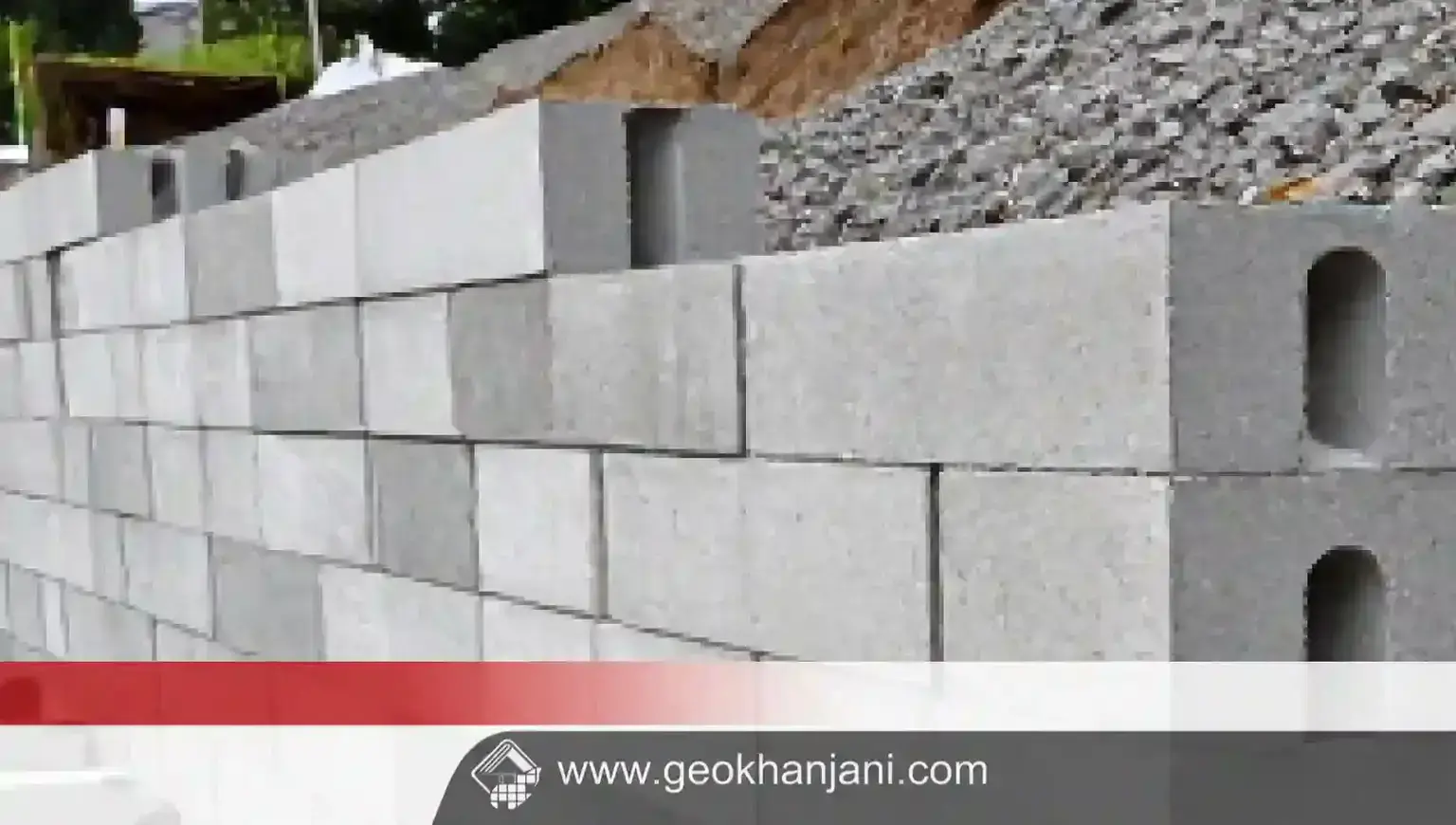 Geo Block
Key Benefits of GeoBlock
The cellular structure confines soil and aggregate, which helps reduce lateral spreading and displacement under loading or environmental forces — a real improvement in soil stability.
Geo Block can also help protect slopes, channels, embankments, and exposed surfaces against soil erosion caused by rainfall, runoff, and water flow. When filled with appropriate aggregate or soil, the system improves load distribution and can help increase the performance of roads, access routes, parking areas, and working platforms.
It can be installed on slopes to provide mechanical confinement and reduce surface soil movement, and it's also suitable for vegetation-based slope protection when filled with appropriate growing material. Because the cells confine the fill material, projects may need less aggregate compared with some conventional construction approaches, depending on site conditions and design requirements.
The system also adapts well to different ground conditions and project configurations, making it suitable for both temporary and permanent applications.
Applications of GeoBlock
Geo Block shows up across a wide range of civil engineering and construction projects: soil stabilization, slope stabilization and protection, erosion control, road and access road construction, unpaved road reinforcement, embankment protection, drainage channels and waterways, riverbank and canal protection, parking areas, heavy-duty working platforms, landscaping and green slopes, reinforced soil structures, and construction site access routes.
GeoBlock for Soil Stabilization
Unstable or weak soil can deform when subjected to vehicle loads, rainfall, water flow, or repeated traffic. Geo Block creates a confinement structure that helps keep the fill material in position.
Depending on the engineering design, the cells can be filled with gravel, crushed stone, sand, or suitable soil. The resulting confined layer can improve the stability and serviceability of the surface.
For roads and access routes, Geo Block can be combined with geotextile or other geosynthetic products to create a more effective ground reinforcement system.
GeoBlock for Slope and Erosion Protection
Slopes are vulnerable to surface erosion, especially in areas exposed to heavy rainfall and concentrated runoff. GeoBlock helps hold the surface material in place and reduces uncontrolled movement of soil.
For environmentally sensitive projects, the cells can be filled with topsoil and seeded with vegetation. As vegetation develops, the root system provides additional surface protection while the geosynthetic structure continues to provide mechanical confinement.
GeoBlock in Road Construction
Geo Block can be used for the construction or reinforcement of roads, temporary access routes, service roads, and working platforms.
The cellular structure helps distribute applied loads across the underlying ground and limits the lateral movement of aggregate — particularly useful when construction takes place over weak or variable subgrades.
A geotextile layer may also be incorporated beneath the system when separation, filtration, or additional reinforcement is required.
Why Choose GeoBlock?
Choosing the right ground stabilization system depends on soil conditions, expected loads, drainage requirements, slope geometry, and the intended service life of the project.
Geo Block offers a combination of mechanical soil confinement, improved surface stability, erosion resistance, and easy, relatively fast installation. It's compatible with different filling materials and other geosynthetic systems, and can reduce maintenance requirements in suitable applications.
Installation Considerations
Proper installation is essential to achieve the expected performance of Geo Block.
The process generally starts with preparing and leveling the existing ground, then installing a geotextile or drainage layer when the design calls for one. From there, the panels are positioned and expanded, anchored where necessary, and the cells are filled with the specified material. The fill is then compacted according to the project requirements, and finally the finished surface and connections are checked.
The appropriate cell dimensions, height, material specifications, anchoring method, and filling material should be selected according to site conditions and engineering requirements.
How to Select the Right GeoBlock
Before purchasing Geo Block, it's worth thinking through a few factors.
Project type matters — road reinforcement, slope protection, erosion control, a drainage channel, landscaping, or another application all call for different considerations. Soil condition matters too, since weak, soft, sandy, clayey, or unstable soils may need different reinforcement strategies.
Expected load should be factored in as well — vehicle traffic, construction equipment, pedestrian traffic, or static loads all shape the right choice. Cell size and height should match the specific project conditions, and the filling material — soil, sand, gravel, or aggregate — needs to be compatible with the intended application. And in areas exposed to water, drainage requirements should be part of the overall system design so water movement is managed effectively.
GeoBlock and Other Geosynthetics
Geo Block can often be used together with other geosynthetic products to create a complete ground engineering solution.
For example, geotextile can be installed beneath Geo Block for separation and filtration, while drainage geosynthetics can be incorporated where water management is required.
This combination can improve the overall performance of the stabilization system and provide a more suitable solution for challenging ground conditions.
Buy GeoBlock from Geokhanjani
If you're looking for a reliable Geo Block supplier for soil stabilization, slope protection, erosion control, or infrastructure projects, Geokhanjani can help you select a suitable product according to your project requirements.
Before purchasing, you can contact our experts to discuss the application, required dimensions, filling material, project conditions, and estimated quantity.
Contact Geokhanjani for product information, technical guidance, and purchasing support. Visit geokhanjani to explore GeoBlock and other geosynthetic products.