Geotube: High-Performance Geotextile Dewatering Solution
Geotube is a large-scale geotextile dewatering system built for efficiently separating water from sludge, sediment, and other fine-grained materials. Manufactured from high-strength permeable geotextile fabric, Geotube technology offers an effective solution for sludge management, sediment dewatering, wastewater treatment, and environmental remediation projects.
The system works by pumping slurry into the Geotube container. Water passes through the specially engineered pores of the geotextile fabric while solid particles stay retained inside. As dewatering continues, the material becomes significantly more concentrated and far easier to handle, transport, or dispose of.
What Is a Geotube
A Geotube is a tubular geotextile container used to contain and dewater sludge and sediment. Depending on project requirements, Geotubes can be manufactured in different diameters, lengths, and fabric specifications.
The geotextile fabric is engineered to provide a controlled filtration process. Its structure allows water to drain while retaining the majority of solid particles inside the tube, making Geotube a practical alternative to conventional sludge dewatering and sediment management methods, particularly when large volumes of material need processing.
How Geotube Works
The dewatering process generally moves through several stages. It starts with slurry preparation, where sludge, sediment, or dredged material gets prepped for pumping. In some applications, polymer conditioning follows, adding polymers to improve the flocculation and filtration performance of fine particles.
The conditioned material is then pumped into the Geotube during slurry pumping. Filtration happens as water passes through the geotextile pores while solids remain inside. Continued drainage during the dewatering stage reduces water content and increases the concentration of retained solids. Finally, once sufficiently dewatered, the remaining material moves into final handling, where it can be removed, transported, reused, or disposed of according to project requirements.
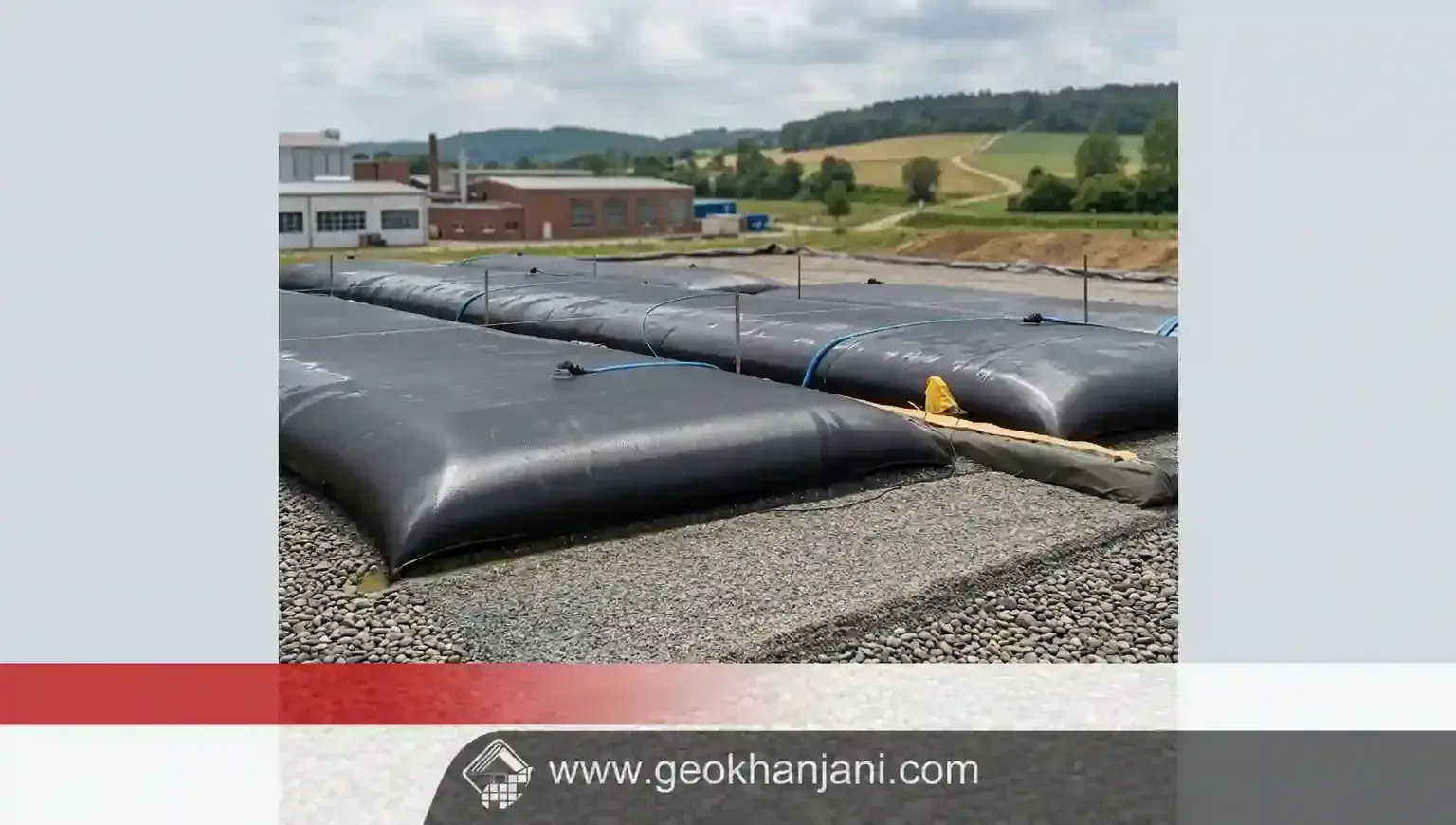 Geotube Main Applications
Geotube Main Applications
Sludge Dewatering
Geotubes are widely used for dewatering municipal, industrial, and treatment-plant sludge. They reduce the volume of wet sludge and simplify everything that comes after.
Dredging and Sediment Management
For dredging projects, Geotube provides an efficient method for containing and dewatering dredged sediment, used across ports, canals, rivers, reservoirs, and coastal areas.
Wastewater Treatment
Geotube technology supports wastewater treatment facilities by offering an economical way to manage accumulated sludge and reduce the volume of material that needs further processing.
Industrial Sludge
Industries generating large quantities of sludge or fine particulate waste can build geotextile dewatering tubes into their waste management systems.
Environmental Remediation
Geotubes apply well to projects involving contaminated sediment and environmental cleanup, subject to appropriate containment, treatment, and disposal requirements.
Water and Reservoir Projects
They also handle sediment management in reservoirs, waterways, and water infrastructure projects where large quantities of suspended solids need separating from water.
Key Advantages
High Dewatering Capacity
The large volume of a Geotube processes significant quantities of sludge or sediment within a relatively compact footprint.
Effective Solid Retention
The engineered geotextile fabric retains solid particles while letting water drain through.
Reduced Sludge Volume
Removing excess water substantially reduces the volume and weight of the retained material, making transportation and disposal noticeably easier.
Easy Installation
Compared with many permanent dewatering structures, Geotube systems install relatively quickly once the site is properly prepared.
Flexible Project Design
Available in different dimensions and fabric configurations, the system can be matched to material characteristics, required capacity, and site conditions.
Lower Handling and Transportation Requirements
Since dewatered sludge occupies far less volume than untreated wet sludge, the amount of material requiring transportation drops accordingly.
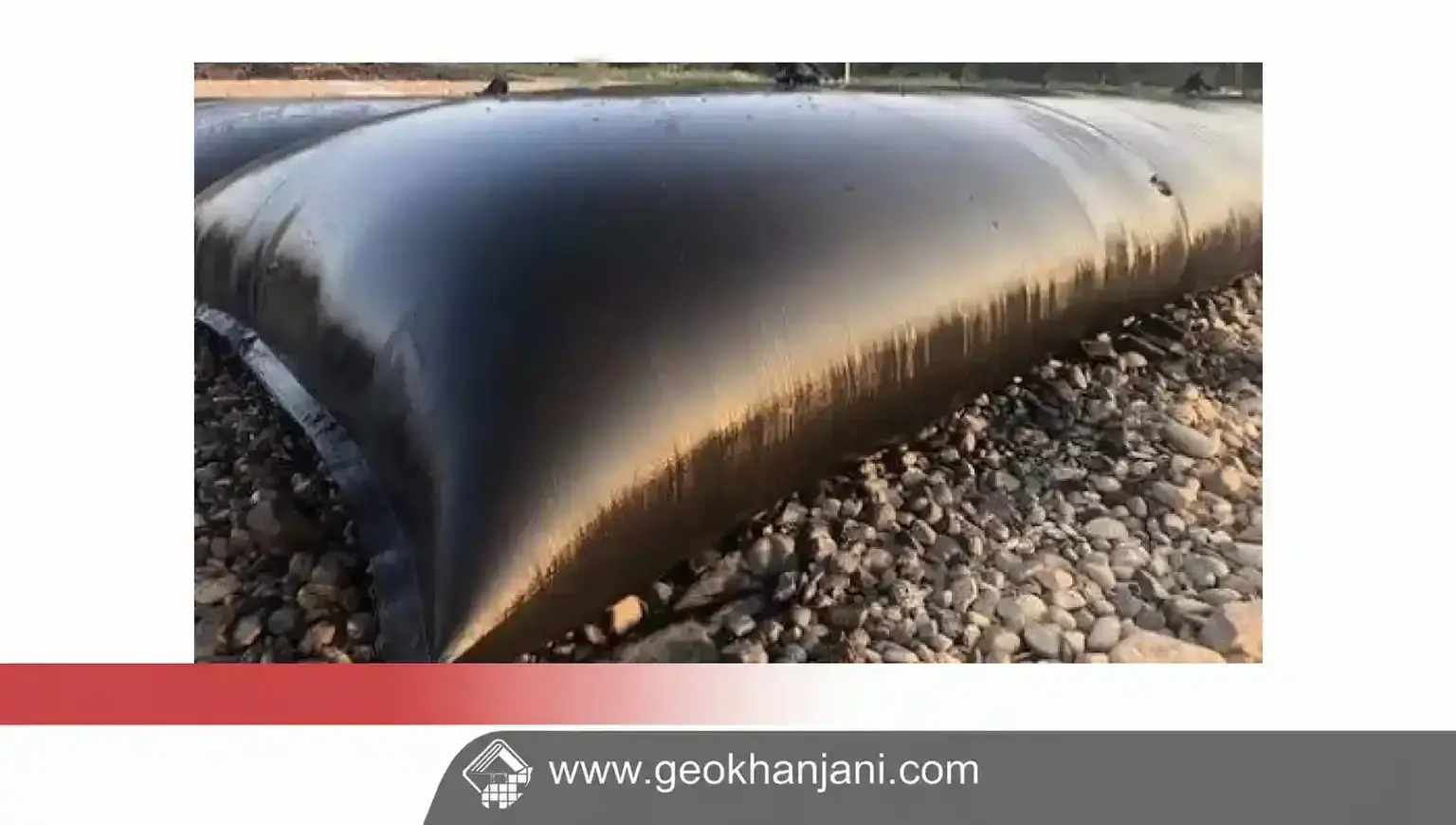 Geotube
Why Choose Geotube for Your Project
Selecting the right dewatering system depends on several factors: sludge characteristics, particle size distribution, water content, required throughput, available space, and final disposal requirements.
Geotube offers a scalable solution for projects where conventional mechanical dewatering systems might be impractical, expensive, or difficult to operate continuously. Its passive filtration mechanism, large capacity, and relatively simple installation make it particularly well suited to large-scale sludge and sediment management.
Material and Manufacturing
Performance depends heavily on the quality and engineering characteristics of the geotextile fabric itself. The fabric needs to strike the right balance between tensile strength, filtration performance, hydraulic permeability, pore structure, durability, resistance to installation stresses, and long-term environmental performance.
The appropriate fabric specification should be selected based on laboratory testing and the actual characteristics of the material being dewatered.
Geotube vs Conventional Dewatering Methods
Traditional dewatering methods often require mechanical equipment, continuous power, significant maintenance, and specialized operation. Geotube systems offer a simpler approach by combining containment and dewatering into a single geotextile structure.
For large-volume sludge and sediment applications, this reduces operational complexity and produces a more manageable final material. That said, Geotube selection should always rest on project-specific testing rather than general performance assumptions.
Where Geotube Gets Used
Typical project environments include wastewater treatment plants, industrial facilities, ports and harbors, rivers and canals, reservoirs, dredging sites, mining and mineral processing facilities, coastal engineering projects, environmental remediation sites, and sediment management projects generally.
Buying a Geotube
When purchasing a Geotube system, several technical parameters need evaluation, including the required tube dimensions, geotextile type, filtration characteristics, tensile strength, sludge properties, pumping conditions, and expected dewatering performance.
At GeoKhanjani, Geotube and geosynthetic solutions are selected according to the technical requirements of your project. The right product selection improves dewatering efficiency, simplifies sludge management, and helps optimize overall project costs. Reach out to our technical team to discuss your project requirements and select the appropriate geotextile dewatering solution.